In modern industrial and healthcare settings, maintaining impeccable hygiene standards isn't just a preference – it's an absolute necessity. Stainless steel hygienic applications have revolutionized how we approach cleanliness and contamination prevention across various sectors. From medical facilities to food processing plants, the choice of materials plays a crucial role in ensuring safety and compliance with stringent regulations.
The implementation of stainless steel hygienic solutions has become increasingly prevalent, offering unique properties that make it particularly well-suited for environments where cleanliness is paramount. Its non-porous surface, corrosion resistance, and ease of cleaning have established it as a benchmark material in hygienic applications.
The superior hygiene capabilities of stainless steel stem from its unique chemical composition. The presence of chromium creates a self-healing passive layer that prevents corrosion and bacterial growth. This stainless steel hygienic barrier becomes stronger with exposure to oxygen, providing lasting protection against contamination.
Surface finish plays a critical role in maintaining cleanliness. Modern stainless steel hygienic equipment features carefully engineered surfaces with extremely low roughness values, typically measured in micrometers. This smooth finish prevents bacterial adhesion and facilitates thorough cleaning procedures.
When it comes to long-term performance, stainless steel hygienic installations demonstrate remarkable durability. Unlike other materials that may degrade or become compromised over time, properly maintained stainless steel can retain its hygienic properties for decades. This longevity translates to reduced replacement costs and consistent performance in demanding environments.
Regular maintenance of stainless steel hygienic systems is straightforward, requiring standard cleaning protocols and periodic inspections. The material's resistance to harsh cleaning chemicals and high-temperature sanitization methods makes it particularly suitable for stringent hygiene requirements.
In medical environments, stainless steel hygienic equipment forms the backbone of infection control strategies. Operating rooms, pharmaceutical manufacturing areas, and laboratory spaces rely heavily on stainless steel surfaces and equipment. The material's ability to withstand frequent sterilization and resist bacterial growth makes it invaluable in these critical settings.
Modern hospitals utilize stainless steel hygienic solutions in everything from surgical instruments to wall panels and ventilation systems. This comprehensive approach ensures consistent standards of cleanliness throughout the facility, reducing the risk of healthcare-associated infections.
The food industry's adoption of stainless steel hygienic systems has set new standards for food safety and quality control. Processing equipment, storage tanks, and preparation surfaces made from stainless steel provide an ideal environment for maintaining strict hygiene protocols. The material's resistance to food acids and cleaning agents ensures long-term reliability in these demanding applications.
Modern food processing facilities incorporate stainless steel hygienic design principles from the ground up, considering factors such as drainage, accessibility for cleaning, and prevention of product contamination. This holistic approach has significantly improved food safety standards across the industry.
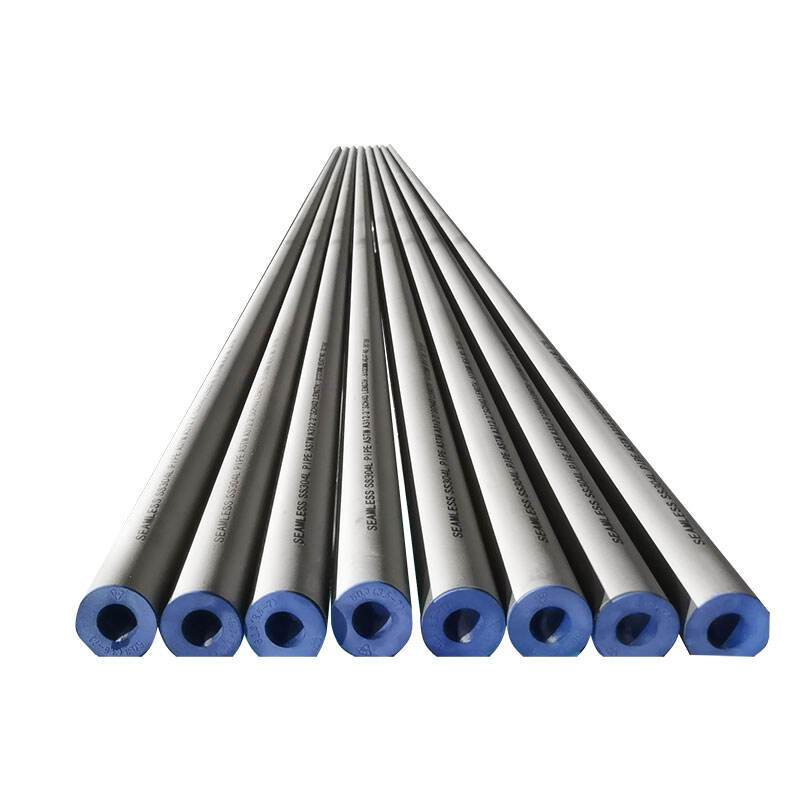
The environmental credentials of stainless steel hygienic installations extend beyond their immediate applications. The material's longevity and recyclability contribute to its sustainability profile. Nearly 100% of stainless steel can be recycled without loss of quality, making it an environmentally responsible choice for hygienic applications.
When considering the total environmental impact, the durability of stainless steel hygienic equipment reduces the need for frequent replacements, thereby minimizing waste and resource consumption over time. This long-term perspective is increasingly important in modern facility planning.
The thermal properties of stainless steel hygienic systems can contribute to energy efficiency in various applications. The material's heat transfer characteristics allow for efficient temperature control in processing equipment, while its durability ensures consistent performance without degradation of these properties over time.
Modern facilities are leveraging these characteristics to optimize their energy usage while maintaining strict hygienic standards. The result is a more sustainable operation that doesn't compromise on cleanliness or safety.
The evolution of stainless steel hygienic applications continues with the development of new surface treatments and finishing techniques. Antimicrobial coatings and nano-structured surfaces are enhancing the already impressive hygienic properties of stainless steel, creating even more effective barriers against contamination.
Research into smart surfaces that can detect and signal contamination is opening new possibilities for proactive hygiene management. These innovations promise to further cement stainless steel's position as a leading material in hygienic applications.
The future of stainless steel hygienic equipment lies in its integration with digital monitoring and control systems. Smart sensors embedded in stainless steel surfaces can track cleanliness levels, temperature, and other critical parameters in real-time, enabling more efficient maintenance and cleaning procedures.
This digital transformation is revolutionizing how facilities manage their hygienic environments, providing unprecedented levels of control and documentation of cleaning processes.
The cleaning frequency depends on the specific application and environment, but generally, stainless steel hygienic surfaces should be cleaned daily in active use areas, with deep cleaning performed weekly or as required by regulatory standards. Always follow manufacturer guidelines and industry-specific protocols.
Stainless steel's combination of non-porous surface, corrosion resistance, durability, and ease of cleaning makes it ideal for hygienic environments. Its self-healing passive layer provides continuous protection against bacterial growth and contamination.
While stainless steel is highly resistant to most cleaning chemicals, certain highly concentrated acids or chlorine-based cleaners can potentially damage the surface if used incorrectly. Always use approved cleaning agents and follow recommended concentrations and contact times to maintain the integrity of the material.
 Hot News
2025-01-03
2024-10-23
2024-11-15
TJYCT STEEL CO., LTD. specializing in carbon steel products, stainless steel products and alloy steel more than 16 years . integrity,professional,
6th Floor, North C6, Aocheng Commercial Plaza ,Tianjin ,China
Copyright © 2024 TJYCT Steel Co., Ltd Privacy Policy
 EN
EN