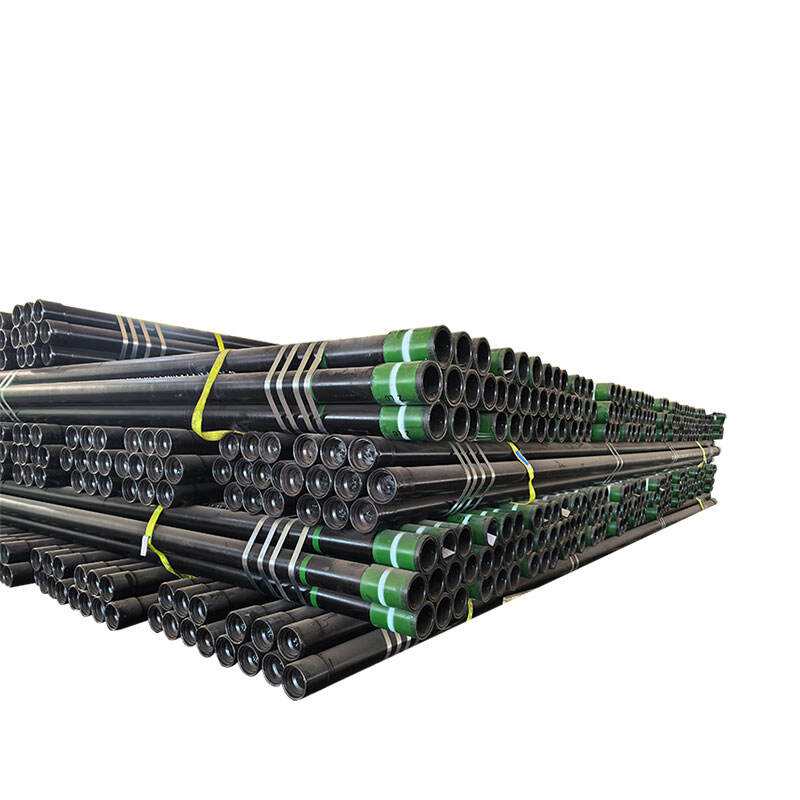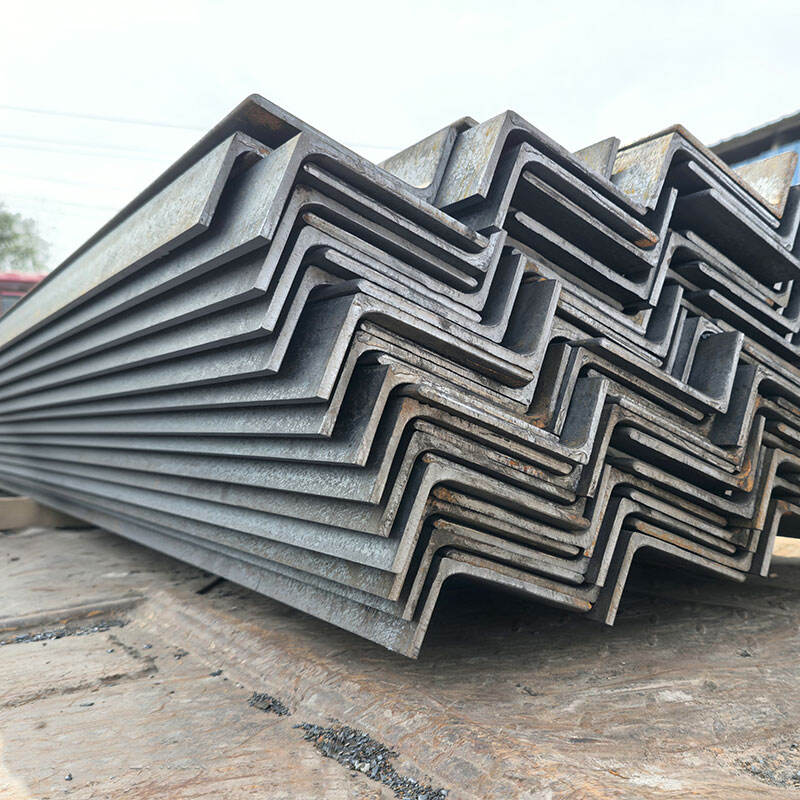
The construction industry has witnessed remarkable transformations over the decades, and among the most significant advancements is the widespread adoption of stainless steel in construction. This versatile material has revolutionized modern architecture and building practices, offering an unprecedented combination of strength, durability, and aesthetic appeal. From towering skyscrapers to intricate architectural details, stainless steel has become an indispensable element in contemporary construction projects worldwide.
The journey of stainless steel in construction began in the early 20th century, but its applications have expanded exponentially with technological advancements and innovative design approaches. Today, architects and engineers rely on this remarkable material to create structures that not only stand the test of time but also push the boundaries of architectural possibilities.
In contemporary construction, stainless steel serves as a primary material for critical structural elements. Its exceptional strength-to-weight ratio makes it ideal for creating robust load-bearing components while maintaining a relatively lightweight profile. Building designers frequently incorporate stainless steel beams, columns, and support structures to ensure maximum stability and longevity.
The material's superior load-bearing capabilities enable architects to design more open, spacious interiors with fewer support columns, creating flexible spaces that meet modern architectural demands. Additionally, stainless steel's resistance to corrosion and minimal maintenance requirements make it particularly valuable for structural applications in challenging environments.
Stainless steel reinforcement bars and support systems play a crucial role in enhancing the structural integrity of concrete constructions. Unlike traditional carbon steel reinforcement, stainless steel rebar offers superior corrosion resistance, extending the lifespan of concrete structures significantly. This is particularly important in coastal areas or regions with harsh environmental conditions.
The material's durability and strength allow for reduced concrete cover requirements, leading to more efficient design solutions and cost savings over the structure's lifetime. Modern construction projects increasingly rely on stainless steel reinforcement to ensure long-term structural stability and reduced maintenance costs.
The visual appeal and durability of stainless steel make it an excellent choice for exterior applications. Architects utilize stainless steel cladding to create stunning building facades that maintain their appearance for decades. The material's ability to be formed into various shapes and textures allows for incredible design flexibility, enabling the creation of unique architectural statements.
Modern facade systems incorporating stainless steel often integrate advanced features such as solar shading, natural ventilation, and rainscreen protection. These systems not only enhance the building's aesthetic appeal but also contribute to its overall energy efficiency and environmental performance.

Stainless steel roofing systems offer exceptional durability and weather resistance, making them ideal for both commercial and residential applications. The material's natural corrosion resistance and ability to withstand extreme weather conditions ensure long-lasting protection for buildings. Additionally, stainless steel roofs can be designed to complement various architectural styles while providing superior performance.
Modern stainless steel roofing solutions often incorporate advanced coating technologies and design features that enhance their thermal performance and energy efficiency. These innovations help reduce building energy costs while maintaining the material's distinctive aesthetic appeal.
Stainless steel's versatility extends to interior applications, where it serves both functional and aesthetic purposes. From elegant handrails and balustrades to decorative wall panels and ceiling features, the material adds a contemporary touch to interior spaces. Its clean lines and modern appearance make it a popular choice for high-end commercial and residential projects.
The material's hygienic properties and ease of maintenance make it particularly suitable for high-traffic areas and spaces where cleanliness is paramount. Healthcare facilities, commercial kitchens, and public buildings frequently utilize stainless steel for interior elements that combine functionality with sophisticated design.
Modern buildings rely heavily on stainless steel for elevator systems and other interior infrastructure components. The material's durability and resistance to wear make it ideal for high-use applications like elevator cabs, doors, and surrounding panels. Its ability to maintain its appearance despite constant use ensures that these essential building elements remain attractive and functional throughout their lifetime.
The integration of stainless steel in elevator systems extends beyond aesthetic considerations, contributing to the overall safety and reliability of vertical transportation in buildings. The material's strength and fire-resistant properties make it an essential component in modern building safety systems.
Stainless steel in construction aligns perfectly with sustainable building practices. The material's long lifespan and recyclability make it an environmentally responsible choice for modern construction projects. Nearly all stainless steel can be recycled without losing its essential properties, contributing to a circular economy in the construction industry.
The production of stainless steel has become increasingly efficient, with manufacturers implementing advanced processes to reduce environmental impact. The material's durability means fewer replacements over time, resulting in reduced resource consumption and lower environmental impact throughout the building's lifecycle.
Modern construction projects utilize stainless steel to enhance building energy efficiency. The material's thermal properties can be leveraged to improve insulation and reduce heating and cooling costs. When used in facade systems, stainless steel can contribute to better building envelope performance and improved energy management.
Innovative applications of stainless steel in solar shading and passive cooling systems demonstrate the material's versatility in supporting sustainable building operations. These applications help buildings achieve higher environmental performance ratings and meet increasingly stringent energy efficiency standards.
While the initial cost of stainless steel may be higher than some traditional construction materials, its long-term value proposition is compelling. The material's durability, minimal maintenance requirements, and extended lifespan often result in lower total ownership costs over time. Additionally, its recyclability and sustainable characteristics can contribute to building certification credits and potential cost savings in environmental compliance.
Stainless steel requires minimal maintenance compared to many other construction materials. Regular cleaning with appropriate methods and products is typically sufficient to maintain its appearance and performance. In most applications, periodic inspection and basic cleaning are all that's needed to ensure the material continues to perform as intended throughout its service life.
Stainless steel demonstrates excellent weather resistance and maintains its structural integrity and appearance across various climate conditions. The material's natural corrosion resistance makes it particularly suitable for coastal environments and areas with high pollution levels. Proper grade selection and surface finish choices can further enhance its weather resistance for specific environmental conditions.
 Hot News
2025-01-03
2024-10-23
2024-11-15
TJYCT STEEL CO., LTD. specializing in carbon steel products, stainless steel products and alloy steel more than 16 years . integrity,professional,
6th Floor, North C6, Aocheng Commercial Plaza ,Tianjin ,China
Copyright © 2024 TJYCT Steel Co., Ltd Privacy Policy
 EN
EN